
Author: Lisa Spriet, Registered Dietitian, MSc, RD
Can Probiotics Help With Anxiety and Depression?
Probiotics and mental health are more connected than most people realize. If you’ve ever felt butterflies before a stressful event, or noticed your digestion go sideways during a hard week, you’ve experienced the gut–brain connection firsthand. Science now has an explanation for why — and what you can do about it.
What Is the Gut–Brain Axis?
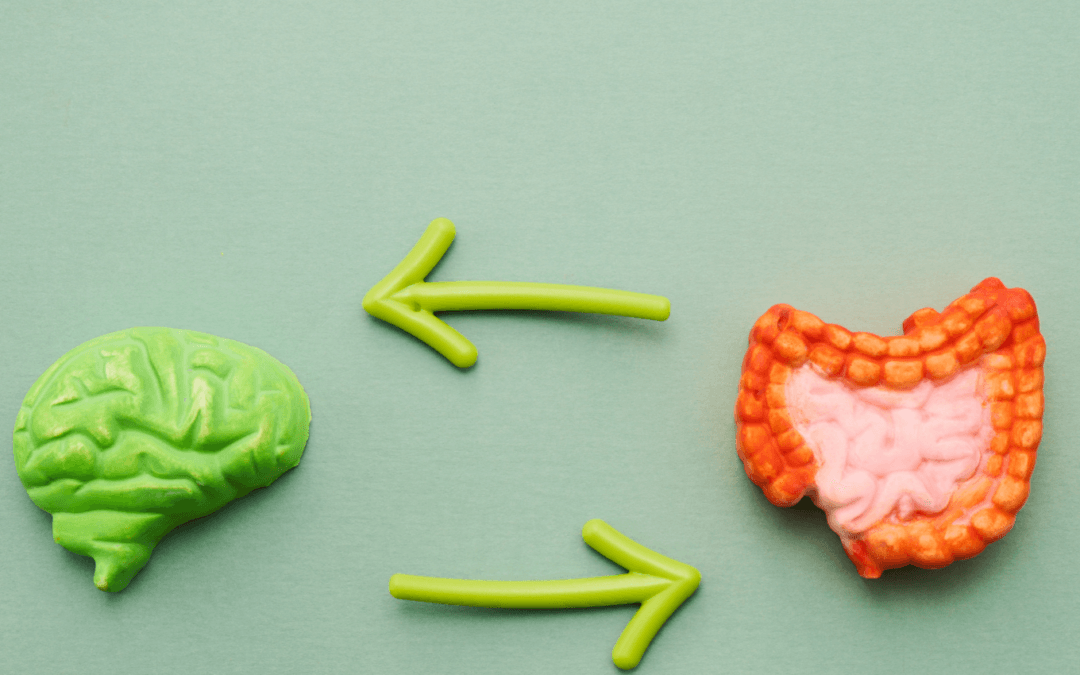
The gut–brain axis is a bidirectional communication network between your gastrointestinal tract and your brain, operating through the vagus nerve, the enteric nervous system, and the bloodstream. Your gut doesn’t just receive signals from your brain — it sends them back. And the bacteria living in your gut play a direct role in that conversation.
Your gut produces approximately 90% of the body’s serotonin, as well as GABA, dopamine precursors, and other neurotransmitters that regulate mood, anxiety, sleep, and stress response. When your gut microbiome is diverse and balanced, this production runs smoothly. When it’s disrupted — through poor diet, chronic stress, antibiotic use, or inadequate sleep — the signals get distorted.
What Are Psychobiotics?
Psychobiotics are specific probiotic strains that have demonstrated measurable effects on mental health outcomes. A 2024 systematic review confirmed that psychobiotic interventions can meaningfully reduce symptoms of depression and anxiety by modulating neurotransmitter pathways, regulating the hypothalamic-pituitary-adrenal (HPA) stress-hormone axis, and improving gut barrier integrity. Neuroimaging studies published the same year showed that probiotic supplementation can normalize brain connectivity in mood-regulating regions — including the amygdala and hippocampus — in people with major depressive disorder and IBS.
Strains with the strongest current evidence for mood support include specific Lactobacillus and Bifidobacterium species. Strain selection matters — not all probiotics have mental health evidence, which is why professional guidance is valuable.
Can Diet Improve Mood Through the Gut?
Diet influences mood through the gut more directly than most people expect. A high-fibre, diverse, plant-forward diet feeds the bacteria that produce mood-regulating neurotransmitters and short-chain fatty acids. The Mediterranean diet in particular — rich in vegetables, legumes, whole grains, fish, and polyphenols — is consistently associated with lower rates of depression and anxiety in population research, partly through its effects on the microbiome.
Specific foods that support the gut–brain connection include fermented foods (yogurt, kefir, kimchi), prebiotic-rich vegetables (garlic, onions, asparagus), oats and barley, blueberries and other polyphenol-rich fruits, and omega-3 fatty acids from fatty fish and walnuts.
Does Chronic Stress Damage Gut Health?
Chronic stress directly disrupts gut health through the gut–brain axis. When the body is under prolonged stress, it triggers changes in gut motility, increases intestinal permeability (leaky gut), reduces populations of beneficial bacteria, and worsens IBS symptoms. This creates a reinforcing cycle: a disrupted gut sends distress signals back to the brain, amplifying anxiety and low mood, which further stresses the gut.
Stress management practices — including regular exercise, quality sleep, mindfulness, and social connection — have documented positive effects on gut microbiome composition and are a meaningful part of gut-focused mental health support.
Should You Take a Probiotic for Anxiety or Depression?
Probiotics for anxiety and depression are a promising complement to — not a replacement for — evidence-based mental health care. If you’re managing depression or anxiety, speak with your doctor or mental health provider first. Probiotic and dietary support works best as part of a broader care plan.
That said, if you’re experiencing mood symptoms alongside gut symptoms (bloating, irregular digestion, IBS), addressing gut health may support both. A NutriProCan dietitian can assess your diet, gut health status, and symptom picture and recommend targeted probiotic strains and dietary changes that are right for your situation.

Author: Lisa Spriet, MSc, RD
Lisa Spriet is a Registered Dietitian and Co-Owner of NutriProCan, a national company of dietitians dedicated to improving health through nutrition. With over 20 years of experience in fitness, health, and wellness, she combines clinical expertise with entrepreneurial leadership. Lisa holds a Master of Science in Foods & Nutrition, has taught nutrition at Brescia University College (now Western University), and is a sought-after speaker at corporate wellness and health industry events. Lisa is known for creating innovative nutrition programs and leading a team of dietitians across Canada.
About NutriProCan: We are a Canadian virtual dietitian clinic offering personalized nutrition support in Ontario, Alberta and British Columbia. Our registered dietitians, licensed in Canada, provide evidence-based guidance for weight management, chronic conditions, women's health, fitness and sports performance, couples' nutrition coaching and more!