
By Andrea Fontaine, RD
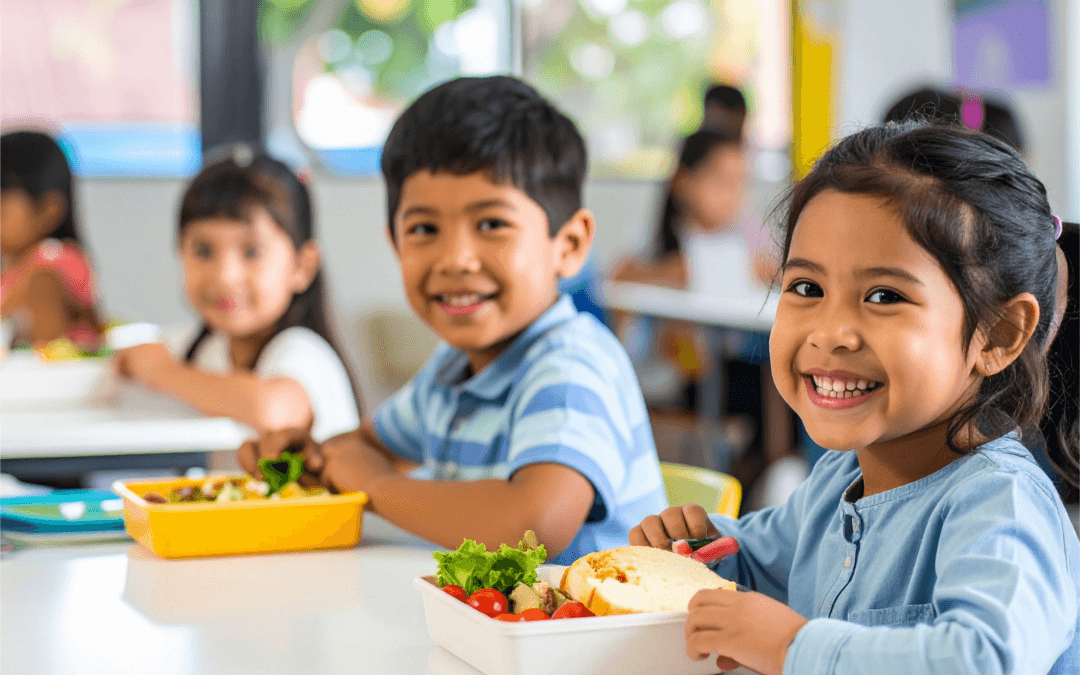
With back-to-school upon us, are you wondering how to pack a healthy, balanced lunch your child will actually eat? A balanced back-to-school lunch has four key parts: a protein, a whole grain, a fruit or vegetable, and a dairy or dairy alternative. This guide gives you the formula, practical strategies for picky eaters, current food-safety guidelines, and 5 recipes plus quick, no-recipe lunch combinations to keep things simple and varied. From building a balanced lunchbox using our simple formula to strategies for navigating picky eating and keeping food safe, this guide covers the essentials, along with five fully illustrated recipes to make lunch planning easier.
Jump to:
- The Balanced Lunchbox Formula
- Keeping Packed Lunches Food-Safe
- How to Reduce Picky Eating
- What to Do If Your Child Doesn't Eat Their Lunch
- 5 Featured Lunch Recipes
- More Quick Lunch Ideas
- FAQ
The Balanced Lunchbox Formula
Following a simple formula for a balanced meal is the most practical way to build a school lunch, without needing to plan every macro or micronutrient by hand. The formula: a protein, a whole grain, a fruit and/or vegetable, and a dairy or dairy alternative.
- Protein: Chicken or turkey, tofu, chickpeas, egg, edamame, bean based pastas, cheese, Greek yogurt
- Whole Grain: Crackers, tortilla, bread, pita, quinoa, rice, buns
- Fruit/Veg: Apple slices, cucumber slices, snap peas, unsweetened applesauce, baby carrots, shredded zucchini, lettuce, oranges, berries, pears, grapes, fruit cups packed in water or fruit juice.
- Dairy: Cheese, yogurt, milk, soy milk, kefir
This combination gives kids the sustained energy and focus they need to get through the school day, while leaving plenty of room to swap ingredients for taste, allergies, or what's in the fridge. Whether you're packing for a picky preschooler or a teenager who wants to build their own lunch, this formula is the starting point for every recipe below. A quick research note worth keeping in mind: studies continue to show that picky eaters often fall short on folate, magnesium, potassium, and zinc from packed lunches specifically, even when their lunchbox looks “full!” The recipes below include a variety of ingredients that provide these important nutrients, so you can feel confident packing lunches that are balanced and nutrient-rich.
Keeping Packed Lunches Food-Safe
Nutrition only matters if the lunch is safe to eat by noon! Current food-safety guidance from public health authorities is consistent on a few key points:
- Use an insulated lunch bag, not a paper bag, for anything perishable (deli meat, cheese, cooked pasta, cut fruit, meats, dairy).
- Pack at least two cold sources — for example, a frozen gel pack plus a frozen juice box or water bottle — placed above and below the perishable food.
- Chill the lunch bag itself overnight in the fridge before packing, and freeze sandwiches made with meat or cheese the night before if you like.
- For hot lunches (soup, chili, pasta): preheat a thermos with boiling water for a few minutes, empty it, then add the hot food immediately and keep the lid closed until lunchtime — this keeps food above 60°C (140°F).
- The danger zone is 4°C–60°C (40°F–140°F). Perishable food shouldn't sit in that range for more than two hours (or one hour if it's above 32°C/90°F outside).
- Foods that don't need refrigeration include whole fruit, raw uncut vegetables, crackers, bread, and nut/seed butters — handy backups on hot days or when the cold pack runs out of steam.
- Discard uneaten perishables that come home in the lunch bag rather than saving them for later.
How to Reduce Picky Eating
- Involve kids in meal prep. Kids are more likely to eat what they've helped make. Simple tasks like washing veggies, mixing ingredients, making sandwiches or choosing between two options build ownership.
- Offer choices within limits. A choice between two healthy sides (apple slices or carrot sticks) feels empowering without opening the door to junk food negotiations.
- Use fun shapes and presentations. Use cookie cutters to make fun-shaped sandwiches or fruit, or use colourful, varied plates or utensils to make lunch more inviting.
- Introduce new foods gradually. Pair a small serving of something new with a familiar favourite rather than replacing the whole meal.
- Incorporate new ingredients into familiar foods. Adding shredded zucchini to meatballs or blending cauliflower into mac and cheese (see recipes below) can be simple ways to introduce vegetables in familiar, kid-friendly meals.
- Stay consistent and patient. It can take 8–15 exposures before a child accepts a new food — don't give up after one or two tries.
- Use positive reinforcement, not pressure. Praise trying a new food, even without finishing it. Pressure tends to backfire and create negative associations with mealtime.
What to Do If Your Child Doesn't Eat Their Lunch
- Assess the problem. Was it the taste, texture, temperature, or simply not enough time to eat? Ask gently and watch for patterns.
- Offer a healthy after-school snack. Use snack time as another opportunity to offer nutritious foods and fill in any nutritional gaps from the day. It can also be a low-pressure time to ask what your child liked or didn’t like about their lunch.
- Check in with the school. Teachers can often tell you whether your child is eating, rushing, or getting distracted at lunch.
- Adjust the format, not just the ingredients. If raw vegetables come back untouched, try roasting or steaming them instead. You can also change the way foods are cut, cooked, or served—for example, try apple slices instead of a whole apple, mix fruit into yogurt, or turn a large wrap into smaller pinwheels. Sometimes a small change in presentation is all it takes to make a familiar food more appealing.
- Try a "one-bite" rule to build familiarity without demanding a full portion.
- Re-check portion sizes. Too much food can feel overwhelming; too little leaves kids hungry by 2 p.m.
- Keep the conversation positive! Frustration around food tends to make the problem worse, not better.
- Rotate the menu. A predictable rotation of favourites keeps lunches interesting without requiring new ideas every day. Try themes such as Sandwich Monday, Wacky Wednesday (cut foods into odd shapes), Wrap Thursday, or Snack-Box Friday to create variety while keeping the routine familiar.
5 Featured Back-to-School Lunch Recipes
These are five of our most-requested lunchbox recipes, each following the protein + whole grain + fruit/veg + dairy formula, with a couple built specifically to work extra vegetables and nutrients - like folate, magnesium, and zinc — into foods kids already love.
1. Chicken Noodle Soup
6 servings | 1 hour | Thermos-friendly
A warm lunch is often an easier sell than a cold sandwich for picky eaters, and this one hides a full pot of vegetables in a comforting, familiar broth.
Ingredients
- 1½ tbsp extra virgin olive oil
- 2 stalks celery, chopped
- 1 large carrot, peeled and chopped
- 1 medium yellow onion, chopped
- 2 large cloves garlic, minced
- ½ tsp sea salt
- 1 tsp dried thyme
- 6 cups chicken broth
- 12⅓ oz bone-in chicken thighs, skin removed and trimmed
- 1 cup brown rice macaroni (dry)
Directions
- Heat the oil in a large pot over medium heat. Add the celery, carrot, and onion and cook for 8–10 minutes until softened. Add the garlic, salt, and thyme, and stir to combine; cook for another minute.
- Add the broth, then place the chicken in the pot. Bring to a gentle boil and simmer for about 20 minutes, or until the chicken is cooked through and pulls apart easily.
- Meanwhile, cook the pasta according to package directions.
- Remove the chicken and shred with two forks until no large pieces remain. Return the chicken to the pot and season with additional salt if needed.
- Divide the soup between bowls and stir in the cooked macaroni. Enjoy!
Nutrition (per serving): 201 calories, 15g protein, 19g carbs, 7g fat
Notes: Refrigerate leftovers up to 3 days. Add spinach, kale, bell pepper, mushrooms, potatoes, or peas for more veggies. No brown rice macaroni? Any pasta noodle works.
2. Hidden Veggie Chicken Meatballs & Spaghetti
4 servings | 40 minutes This is our go-to answer for kids who won't touch a vegetable on its own — the zucchini and carrot disappear right into the meatball.
Ingredients
- 1 medium zucchini, shredded
- 1 lb extra lean ground chicken
- 1 egg, whisked
- 1 medium carrot, grated
- 1 tbsp Italian seasoning
- Sea salt and black pepper, to taste
- ½ cup bread crumbs
- 9 oz whole wheat spaghetti
- 2 cups tomato sauce
Directions
- Preheat the oven to 400°F (205°C). Place the shredded zucchini in a clean dish towel and squeeze out as much excess liquid as possible.
- In a large bowl, combine the chicken, zucchini, egg, carrot, Italian seasoning, salt, pepper, and bread crumbs. Mix until just combined. Roll into golf ball–sized meatballs and place on a baking sheet.
- Bake for 16–20 minutes, until cooked through.
- Meanwhile, cook the pasta according to package directions.
- While the meatballs and pasta cook, heat the tomato sauce in a pan over medium heat. Once the meatballs are cooked, add them to the sauce and stir gently. Add the cooked pasta and toss to coat.
- Divide between plates and enjoy!
Nutrition (per serving): 508 calories, 34g protein, 66g carbs, 10g fibre
Notes: Refrigerate up to 3 days, or freeze meatballs up to 3 months. Use gluten-free bread crumbs and pasta for a gluten-free version.
3. Egg & Cheese Quesadillas
2 servings | 10 minutes An easy breakfast-for-lunch option that reheats well and covers protein, dairy, and grain in one handheld package.
Ingredients
- 4 eggs
- 3 oz cheddar cheese, shredded
- ½ tsp taco seasoning
- 1 tsp avocado oil
- 2 whole wheat tortillas
- ¼ cup salsa, for serving (optional)
Directions
- Whisk the eggs in a small bowl. Add the cheese and taco seasoning and stir to combine.
- Add the oil to a small skillet over medium heat. Once hot, pour in the egg mixture and cook, stirring often, until fluffy and cooked to your liking. Remove and set aside.
- In the same skillet, add a tortilla, then add half the egg filling to one side. Fold the tortilla in half and press down gently. Cook 2–3 minutes per side, until browned and crispy. Repeat with the second tortilla.
- Let cool slightly, cut into wedges, and serve with salsa if desired.
Nutrition (per serving): 497 calories, 26g protein, 32g carbs, 29g fat
Notes: Best enjoyed fresh. Use dairy-free cheese for a dairy-free version.
4. Cauliflower Mac & Cheese Bake
5 servings | 25 minutes A full head of cauliflower blends invisibly into the cheese sauce here - a favourite for parents working through the "one-bite rule" with a vegetable-averse kid.
Ingredients
- 1⅓ cups macaroni (dry)
- 1 small head cauliflower, chopped into small florets
- 2 cloves garlic, minced
- 2 cups whole cow's milk
- 4 oz old cheddar cheese, shredded and divided
- ¼ cup grated Parmigiano Reggiano, divided
- ⅛ tsp nutmeg
- Sea salt and black pepper, to taste
Directions
- Preheat the oven to 400°F (205°C).
- Cook the pasta al dente according to package directions. Drain and immediately rinse under cold water to stop the cooking. Set aside.
- Place the cauliflower, garlic, and milk in an ovenproof pot over low heat and bring to a simmer. Cover and simmer 8–10 minutes, until the cauliflower is soft. Remove from heat.
- Using an immersion blender, blend the cauliflower mixture until smooth. Stir in half the cheddar and half the parmesan. Add the cooked macaroni and nutmeg, and season to taste. Stir to combine.
- Top with the remaining cheddar and parmesan. Bake for 20 minutes, or until golden brown (broil the last 3 minutes for extra colour, if desired). Divide between bowls and enjoy.
Nutrition (per serving): 298 calories, 16g protein, 31g carbs, 13g fat
Notes: Refrigerate up to 4 days. Add parsley, chives, or green onions on top, or breadcrumbs before baking, for extra texture.
5. Buffalo Chickpea Pasta Salad
2 servings | 25 minutes A make-ahead, plant-forward option — 21g of fibre per serving — that holds up well in the fridge for a few days, making it an easy batch-prep lunch.
Ingredients
- 6 oz chickpea pasta
- 1¼ cups cooked chickpeas
- ¼ tsp smoked paprika
- 1 tbsp barbecue sauce
- ½ large green bell pepper, chopped
- ½ cup cherry tomatoes, halved
- 2 tbsp cilantro, chopped
- 2 stalks green onion, chopped
- 2 tbsp vegan ranch dressing
- Sea salt and black pepper, to taste
Directions
- Cook the pasta according to package directions. Drain, rinse under cold water, and let cool.
- Meanwhile, place all remaining ingredients in a large bowl and toss to combine.
- Add the cooled pasta and toss well to coat everything evenly. Enjoy!
Nutrition (per serving): 548 calories, 31g protein, 84g carbs, 21g fibre
Notes: Refrigerate up to 3 days. Add extra buffalo sauce or a squeeze of lime juice for more flavour.
More Quick Lunch Ideas (No Recipe Needed)
For the days you need something even faster, these formula-friendly combos take 10 minutes or less:
- Turkey and Cheese Roll-Ups — Mustard or hummus, sliced turkey, cheese, and spinach on a whole-grain tortilla, rolled and sliced into pinwheels.
- Veggie and Hummus Wrap — Hummus, bell peppers, shredded carrots, cucumber, and spinach rolled in a whole-grain tortilla.
- Chicken and Quinoa Salad — Cooked quinoa, diced chicken, cherry tomatoes, cucumber, and feta, tossed with olive oil and lemon juice.
- Burrito Bowls — Any protein (beef, chicken, fish, or beans) over rice with lettuce, corn, peppers, salsa, and Greek yogurt or guacamole.
- Mini Egg Omelette Muffins — Whisked eggs with chopped vegetables, a protein, and cheese, baked in a muffin tin at 350°F for 15–20 minutes.
- Apple and Peanut Butter Sandwiches — Peanut butter between two apple rings, with granola or raisins if desired.
- Mini Pita Pockets — Whole-wheat pita halves filled with Greek yogurt, cucumber, cherry tomatoes, and shredded rotisserie chicken.
- Pasta Salad — Favourite pasta shape with feta, chicken, cucumber, and cherry tomatoes, tossed in a light Greek dressing.
- DIY Meatballs — Ground beef, chicken, or turkey with shredded carrot and zucchini mixed in, coated in BBQ or buffalo sauce, with carrot and celery sticks and ranch on the side.
Frequently Asked Questions
What's the healthiest formula for a school lunch? A protein, a whole grain, a fruit or vegetable, and a dairy or dairy alternative in each lunch covers the main nutrient bases kids need for sustained energy through the school day. How long can a packed lunch safely sit unrefrigerated? No more than two hours in the 4°C–60°C (40°F–140°F) "danger zone," or one hour if the temperature is above 32°C (90°F) — for example, in a hot car or on a playground in direct sun. How many times do I need to offer a new food before my child accepts it? Generally 8–15 exposures. Consistency and low-pressure repetition matter more than any single meal. Are cold sandwiches or warm lunches better for picky eaters? Neither is universally better, but some picky eaters are more sensitive to food temperature and tend to prefer warm foods. If a child regularly leaves cold sandwiches uneaten, a thermos meal (like the chicken noodle soup above) is worth trying.
Looking for More?
If you'd like a step-by-step approach to grocery shopping and getting organized for the school year, check out our 3-step back-to-school game plan, including 12 money-saving strategies to stretch your food budget further.
Family Nutrition 101
Want to build lasting, family-wide healthy eating habits? Our Family Nutrition 101 course covers time- and money-saving meal planning, grocery shopping, and how to build balanced plates your whole family can get behind.
Have Questions About Your Child's Nutrition?
At NutriProCan, our registered dietitians work with families navigating picky eating, allergies, and everything in between. Andrea Fontaine, RD helps parents build a well-balanced approach to feeding their family at a pace that actually works for their household. Reach out to get started.

Author: Andrea Fontaine, BSc, RD
Andrea is a Registered Dietitian with over 10 years of experience helping individuals and families build healthier relationships with food. With a background in Culinary Arts and dietetics, she brings a practical, evidence-based approach to nutrition.
Andrea has a special interest in pediatric nutrition, helping children and families navigate everyday eating, picky eating, and building healthy habits from an early age. Her goal is to make nutrition feel simple, positive, and realistic for the whole family - without pressure or judgment.
About NutriProCan: We are a Canadian virtual dietitian clinic offering personalized nutrition support in Ontario, Alberta and British Columbia. Our registered dietitians, licensed in Canada, provide evidence-based guidance for weight management, chronic conditions, women's health, fitness and sports performance, couples' nutrition coaching and more!