

Updated November 23, 2025.
Author: Janelle Huybers, RD
A well-nourished body is better equipped to defend itself, and that’s something especially important as cold and flu season approaches. Adults typically catch several colds each year, and thousands of flu-related hospitalizations occur annually. While we can’t avoid every germ we encounter, the way we fuel our bodies can make a meaningful difference in how well we cope.
Beyond nutrition, daily habits like regular physical activity, quality sleep, and proper hydration also strengthen your body’s natural defences - but food remains a powerful tool, and certain nutrients in particular play an important role in lowering your risk and easing symptoms if you do get sick.
This blog has been updated based on common questions we get from our clients in our nutrition counselling practice!
1) Can Turmeric Prevent Colds and Flus?
Curcumin, the active ingredient in turmeric, supports immune regulation and may help reduce your chances of getting sick by supporting a strong, balanced immune system. In short, using turmeric or taking supplements is not a primary method for preventing colds or flu. Still, it can serve more as a complementary aid with general anti-inflammatory benefits.
However, curcumin is poorly absorbed, rapidly metabolized, and rapidly eliminated, which means large doses and/or specialized formulations are needed to achieve measurable levels. So, if using a supplement, choose one that addresses absorption, often by pairing it with black pepper extract. In general, including turmeric in your diet (e.g., in soups/stews, roasted veggies, golden milk, curries) is a good habit. And let's keep in mind that while turmeric is great, it should not replace foundational immune supports like sleep, nutrition, and hygiene.
2) Does Garlic Really Help Prevent The Common Cold?
Love cooking with garlic and trying to convince family members to eat it for its health benefits? You’re not alone because garlic has a long history of being used in traditional diets to support immune health, and modern research suggests there may be some truth behind the old advice. For example, fresh garlic supports general diet quality and has other cardiovascular/health benefits, so include it in meals for the great taste too.
As we head into cold and flu season, your best bet is AGE when it comes to garlic. AGE stands for aged garlic extract, available as a supplement, and studies show that AGE may reduce the severity of cold symptoms. However, there’s no strong evidence that it prevents colds or reduces how often people get sick. Always check with your dietitian or doctor for potential contraindications and personalized dosing.
3) Does Vitamin C Actually Prevent Colds?
When talking about nutrients for cold and flu, vitamin C is mentioned often, not just in the media but also in our client sessions. Although vitamin C does have benefits for your immune system, it doesn’t prevent you from getting a cold per se, but it may help with reducing the severity and the time that you’re sick.
Here are some relevant points from research:
- A 2023 meta-analysis found that daily vitamin C (≥1 g/day) shortened symptom severity by ~15% in people who regularly supplemented.
- Starting vitamin C only once you feel sick doesn’t show the same benefit.
Suggested strategy: Make vitamin C a daily habit, not a “rescue remedy.”
How much?
~200 mg/day from food often suffices (e.g., 2 oranges or 1 large bell pepper). Supplements may help if dietary intake is low.
4) Why Do I Need Vitamin D In The Winter?
Vitamin D is a unique nutrient that we don’t get much of through food, and many of our clients end up being low or deficient.
Our bodies naturally and conveniently produce vitamin D when exposed to sunlight. Seems easy enough, but for those of us living in Canada, we only get a short part of the year when we can actually make vitamin D from the sun. Thanks to our long, cold friend: WINTER, when the sun simply isn’t strong enough for vitamin D production, even on bright, sunny days.
Food sources: milk, fortified plant beverages, fatty fish, but they’re often not enough.
Common recommendation:
1,000 IU (25 µg) vitamin D3 daily, especially October–April.
Always check with your dietitian or doctor for personalized dosing.
5) Does Zinc Help To Avoid Colds?
Zinc doesn’t get as much attention as other nutrients, but it plays an important role in general immune health. It’s essential for the normal development and function of immune cells such as T-cells (white blood cells that help coordinate your immune response) and NK cells (natural killer cells that help destroy virus-infected cells). In this context, having a zinc deficiency means your immune system could be less equipped to defend itself against cold and flu viruses.
Luckily, zinc is found in many foods, and most people get enough by eating a variety of meat, chicken, fortified cereals, beans, nuts, dairy, and whole grains. For some people, getting enough zinc may take a bit more effort, especially those with digestive disorders like Crohn’s disease or those who follow vegetarian or vegan diets. In these cases, starting with an Initial Assessment with a registered dietitian can help ensure optimal nutrient intake. If you are only interested in supplement needs, request a $30 supplement review from anywhere.
And, just to be extra clear, taking extra zinc when you’re not deficient will not help prevent colds (so you can save some hard-earned dollars).
6) Should I Take Probiotics During Cold & Flu Season?
Probiotics are the “good bacteria” that can support our health when we consume enough of the right strains. It may seem strange that eating bacteria can help us fight illness, but certain probiotics work with the gut and the immune system in a helpful way. Research continues to show that probiotic supplements can strengthen immune function through these gut-immune connections. Research by Metagenics, one of our recommended supplement providers, shows promising evidence that supports the use of probiotics as part of a cold & flu season toolkit:
Featured findings from their 12-week study in 2021:
- Delay of the first cold and fewer cold episodes by nearly 10 days
- Reduced symptoms during a second episode (cold)
- Less severe symptoms
Best approach:
To choose a targeted strain for your health goals, such as minimizing the impacts of the cold and flu season, it's best to consult a dietitian or other qualified health professionals. Our dietitians often recommend foods like yogurt, kefir, sauerkraut, and tempeh to support overall gut health, but supplements offer targeted strains. We also invite you to explore our online course, "Gut Health Fundamentals," created by our trusted dietitians.
Learn more about the probiotics and prebiotics, and who should NOT be taking them: nutriprocan.ca/probiotics-and-prebiotics
7: Do Natural Health Products Help With Colds Or Flus?
Supplement shelves are full of products claiming to fight colds and flu, but the evidence for many herbal remedies, such as echinacea, elderberry, and ginseng, remains mixed. “Natural” doesn’t always mean safe. Herbal products can interact with medications, vary in quality, and may not be appropriate for children, pregnant or breastfeeding women, or older adults. Focus first on a well-balanced diet rich in whole foods, and speak with a regulated health professional before trying new supplements.
Always review medications/supplements/health conditions with an RD or MD. For example, people who are allergic to plants in the ragweed family, or those with certain immune conditions, may experience adverse effects from supplements like echinacea.
8: Does Chicken Soup Actually Help My Cold Symptoms?
This is one that might surprise you! There does happen to be some evidence that chicken soup could be beneficial in improving some of the symptoms associated with a cold or flu such as a runny nose, cough, sneezing, sore throat and chills. But whether these benefits come from the chicken soup itself or the temperature of the warm broth is unclear. Anyhow, continue adding this delicious and health-benefiting food to your diet over the cold winter months.
Keep in mind that most pre-packaged soups are high in sodium, so consider whipping up your own batch from fresh ingredients at home.
Dietitian’s Soothing Chicken Soup Recipe for Cold and Flu Season
Ingredients:
2 tbsps Extra virgin olive oil
1/2 cup Red onion (large, chopped)
1/2 bulb Fennel (medium, chopped)
1.5 tsps Ginger (finely chopped)
1 tsp Turmeric
1 1/3 quarts Bone broth
1/4 cup Quinoa (dry, rinsed)
1 lb Chicken breast, cooked (shredded)
1 cup Matchstick carrots
1 cup Lentils (rinsed and drained)
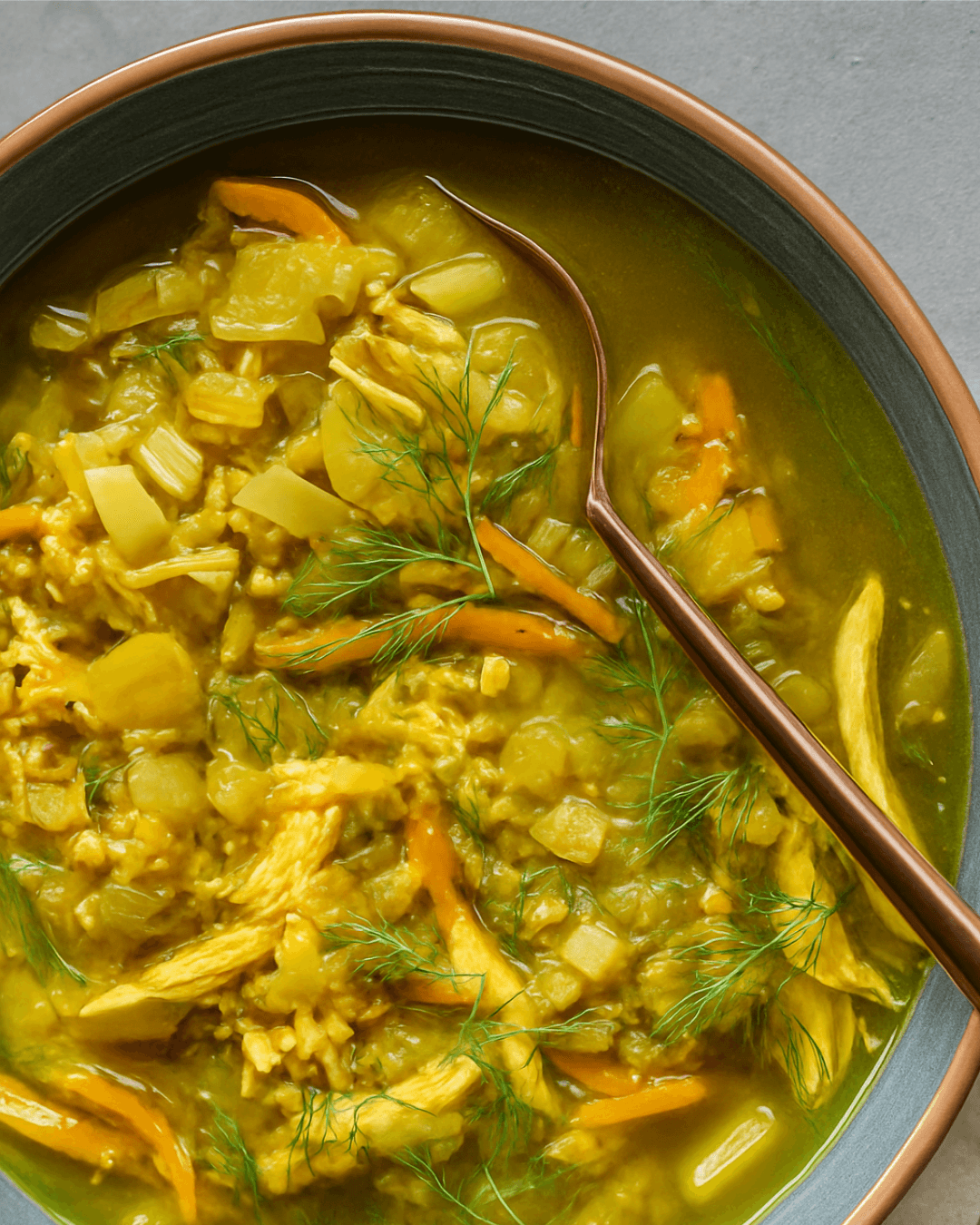
Directions
- Heat the oil in a large pot over medium heat.
- Sauté the onion, fennel, and ginger for six minutes, stirring often.
- Add the turmeric and mix well.
- Add the broth and cook for another minute.
- Add the quinoa and bring to a boil.
- Reduce heat to medium-low and simmer for five minutes.
- Add the cooked chicken, carrots, and lentils. Cook for another 10 minutes.
- Divide evenly between bowls and enjoy!
Notes
- Refrigerate in an airtight container for up to five days, or freeze for up to three months.
- One serving is approximately 2 1/2 cups.
- Season with salt and black pepper.
Variations:
- Use chickpeas instead of lentils.
- Add green onions and fresh dill.
- Use plant-based protein and vegetable broth for a vegetarian version.
- Use raw chicken cut into cubes — add with the carrots and cook until done.
- Increase lentils if preferred.
What's The Role of Dietitians With Supplements and Immune Health?
The world of nutrition can be exhausting, especially when it comes to immune health, supplements, and “health hacking” strategies like trying to beat the odds of catching a cold. This blog is for informational purposes only, and if you’re looking for clarity on supplements or nutrients from food, start by booking a free 15-minute consultation with one of our Registered Dietitians to discuss personalized nutrition planning services and how we help.
Related Blog
Read more about probiotics and prebiotics on our previous blog:
https://nutriprocan.ca/probiotics-and-prebiotics/
References & Sources:
https://www.ccohs.ca/oshanswers/diseases/common_cold.html
http://www.pennutrition.com.proxy1.lib.uwo.ca/viewhandout.aspx?Portal=UbY=&id=JM3mWQI=&PreviewHandout=bA==
https://www.ncbi.nlm.nih.gov/books/NBK225480/#ddd0000230
http://www.pennutrition.com.proxy1.lib.uwo.ca/KnowledgePathway.aspx?kpid=16006&trid=18279&trcatid=38
https://www.ncbi.nlm.nih.gov/pmc/articles/PMC2277319/
http://www.pennutrition.com.proxy1.lib.uwo.ca/KnowledgePathway.aspx?kpid=16006&pqcatid=144&pqid=18101
http://www.pennutrition.com.proxy1.lib.uwo.ca/KnowledgePathway.aspx?kpid=16006&pqcatid=144&pqid=18101
http://www.unlockfood.ca/en/Articles/Natural-health-products-Functional-foods/Commonly-used-Natural-Health-Products.aspx
http://www.pennutrition.com.proxy1.lib.uwo.ca/KnowledgePathway.aspx?kpid=16006&trid=16556&trcatid=42
Berggren, A., I. L. Ahrén, N. Larsson, and G. Önning. "Randomised, double-blind and placebo-controlled study using new probiotic lactobacilli for strengthening the body immune defence against viral infections." European journal of nutrition 50.3 (2011): 203-210.
http://probioticchart.ca/PBCAdultHealth.html?utm_source=adult_ind&utm_medium=civ&utm_campaign=CDN_CHART
https://www.metagenicsinstitute.com/wp-content/uploads/2021/09/MET2050v2-Science-Review-Lparacasei-8700-Lplantarum-HEAL9.pdf

Author: Janelle Huybers, RD, DDEPT, is a Registered Dietitian passionate about helping people live healthy, active, and balanced lives. Growing up on a farm and as a young athlete, she developed an early appreciation for the role of nutrition in wellness and disease prevention. Janelle’s counselling focuses on creating personalized, practical, and enjoyable approaches to healthy eating. “I accept that health is defined differently by everyone, and that there is no one-size-fits-all approach to healthy living.” -Janelle
Very descriptive post, I liked that bit. Will there be a part 2?
It’s an amazing post in support of all the online users; they will
obtain advantage from it I am sure.
Touche. Solid arguments. Keep up the good spirit.
Hello colleagues, how is all, and what you wish for to say about
this post, in my view its really remarkable for me.
Thank you for sharing your thoughts. I really appreciate your efforts and I will be waiting for your next write ups thank you
once again.